Featured
Table of Contents
Choosing a Content Management System (CMS) is a complex process. There are methods to enhance your chances of making an effective CMS choice.
Focus on the features you'll utilize most day to day. Most non-trivial sites will need complex features and expert execution.

The supplier and CMS platform has actually been there and done that. Let's start by reviewing the types of CMS platforms readily available today.
Boosting Digital Visibility With AEO Optimization
Examples: WordPress, Kentico, HubSpot, Titan CMS These accommodate large enterprises with comprehensive material management requires, including sophisticated functionalities like headless CMS and information management with import/ export functions. Examples: Sitecore, Adobe Experience Manager, Titan CMS Your company size and site intricacy are the very first elements for determining the kind of CMS and the kind of vendor you will need.
Your website is your finest sales representative and finest online marketer personified. What knowlege is in the heads of your finest individuals? Your site should make this knowledge available and available.
With a method in hand, contact CMS vendors and ask for demos revealing the essential functions that match your requirements. With your list of finalists, revist the features that you think will be your essential choice points.
Safeguarding Brand Name Track Record Through Better Local Cyber SecurityIt your demand is complex, offer to pay a little cost to reveal that you are major. Based on your assessments and total needs, you'll be well-positioned to select the CMS that finest fits your business requirements. Do not make your last decision without keeping these tricks to successful CMS selection in mind throughout your selection procedure.
We've seen firsthand what works and what doesn't, and we desire to make sure you end up making the finest choice for your unique needs. Without it, you're actually just guessing.
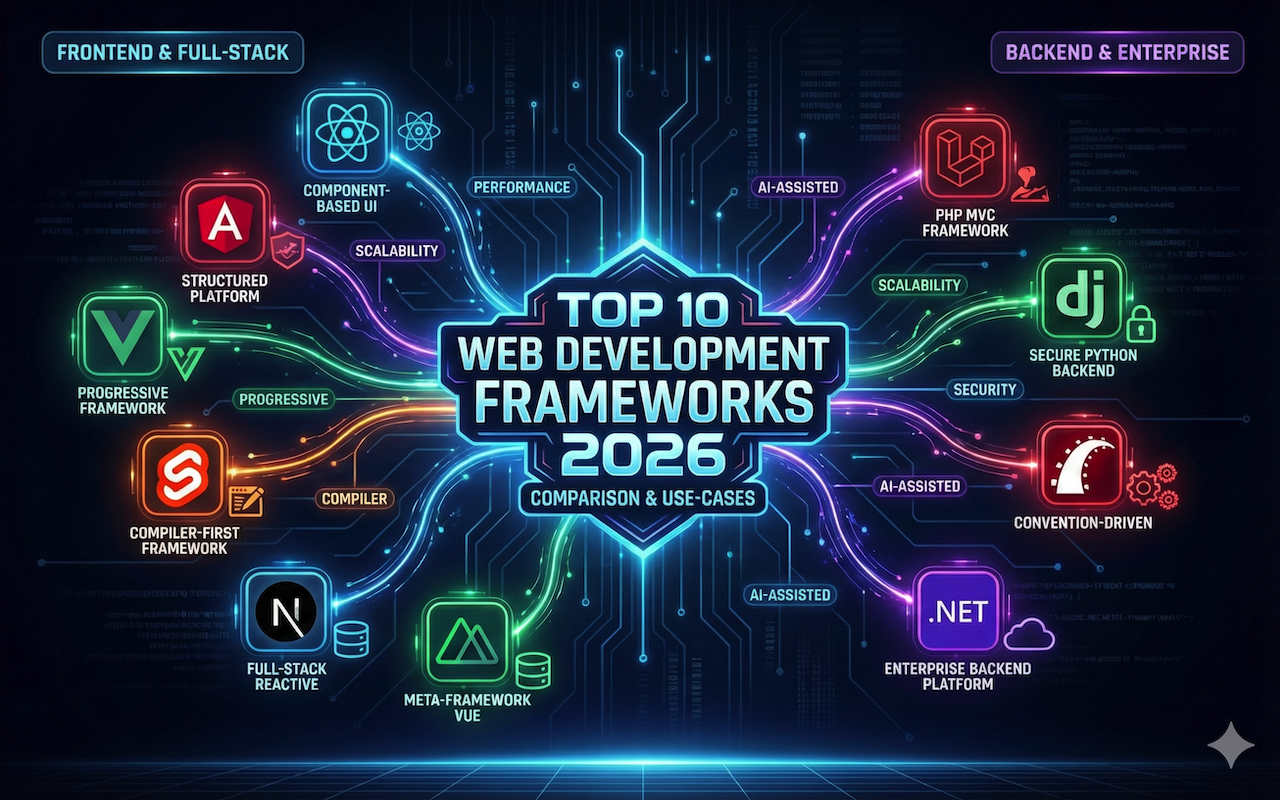
Key Modern Frameworks for Adopt in 2026
Great CMS systems and the groups behind them assist in great UX. CMS vendors will state they can do everything you need, so you should reveal them instead.
The knowledge and experience of your CMS group can make all the distinction. Understanding what functions you require is essential.
Visual charts with top-level comparisons of popular CMS systems feel oh-so pleasing. They make choice appear cool and tidy, however in truth, they don't account for nuances.

By understanding the complexities of CMS platforms and engaging with suppliers efficiently, you can make an educated choice that lines up with your long-lasting digital objectives. Above all, start your CMS selection equipped with a method to direct you. With the right strategy, the ideal CMS, and the best supporting supplier, companies can boost their digital presence, improve content management procedures, and enhance general functional efficiency.
Why Smart SEO Plus Search Tactics Increase ROI
We have actually led dozens of organizations through the CMS selection procedure and can help you make the right option, too.
Picking the ideal Content Management System (CMS) for your site is vital for success in 2024. Here's a succinct guide to assist you make the best option: Determine the site type: blog site, e-commerce, portfolio, etc. Determine material management requirements: text, images, videos, user functions, and so on. Examine combination requirements: CRMs, marketing tools, e-commerce platforms Plan for future development: increased traffic, content expansion, new markets CMS Type Description Ideal For Standard CMS Popular options like WordPress, Drupal, Joomla Customization, scalability, versatility Headless CMS Separate material management from discussion layer Omnichannel content shipment, customized frontends Cloud CMS Cloud-based options like Adobe Experience Supervisor Scalability, security, dependability Enterprise CMS Designed for large enterprises, e.g., SharePoint Modification, scalability, security User-friendly user interface Robust content editing tools Personalization alternatives Mobile responsiveness SEO support Security and routine updates Active community support Hosting Option Description Pros Cons Self-Hosted Complete control over infrastructure and data Modification, flexibility Needs technical skills, maintenance Cloud-Hosted Website hosted on remote server Easy to use, scalable Restricted control, security issues Handled Hosting Provider manages technical aspects Balance of control and upkeep Higher expenses, limited scalability Check main sources, documentation, and resources Sign up with user communities and online forums genuine feedback Try demonstration versions to check functions and functionality Get suggestions from experts and case studies Compare features, rates, user-friendliness, and scalability side-by-side Weigh pros and cons, think about long-lasting costs and finding out curve Get input from stakeholders and decision-makers Establish the CMS, migrate content, tailor, and train your group Preserve the CMS with regular updates, backups, and efficiency tracking By comprehending your needs, examining CMS types and functions, thinking about hosting and pricing, and thoroughly looking into options, you can select the very best CMS for your site in 2024.
Here are some crucial elements to consider: Determine the type of site you're constructing:: Needs robust material modifying and categorization features.: Needs payment entrances, inventory management, and item catalogs.: Showcases your work and might need multimedia support. Various site types have differing CMS requirements. Assess the types of content you'll manage: Text, images, videos, and so on.
Strategy for: Development Aspect Factors To Consider Increased Traffic Can the CMS handle more visitors without performance concerns? Material Growth Will the CMS scale as your material grows?
Let's check out the different types to help you figure out the best suitable for your requirements. Traditional CMS platforms like WordPress, Drupal, and Joomla are the most common. They offer a vast array of features for editing, publishing, and handling content. Conventional CMS platforms appropriate for websites that need: Personalization Scalability Flexibility Extremely adjustable Scalable for development Big user and designer community Comprehensive plugin libraries Steeper learning curve Needs technical abilities Can be resource-intensive Headless CMS platforms, such as Contentful and Strapi, separate the content management backend from the discussion layer.

Latest Posts
Is Your Content Prepared for AI Search Trends?
Top-Rated SEO Optimization Tools for Advanced Marketers
Will AI Transform Standard Content Tactics?